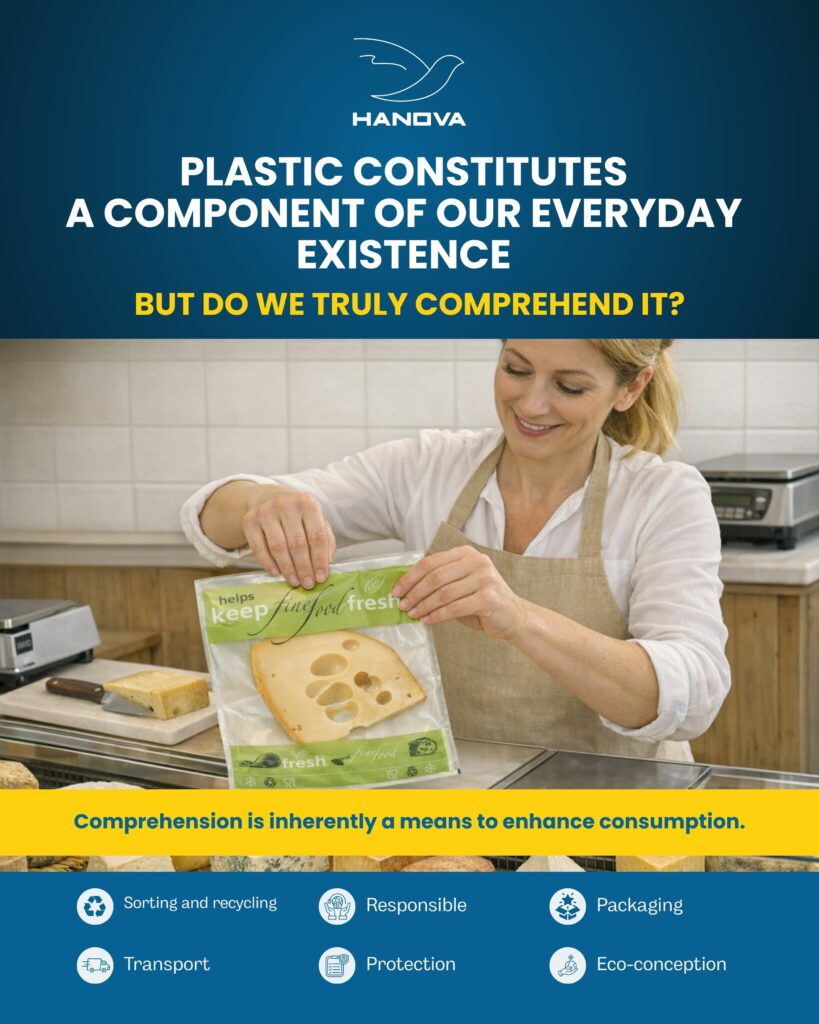
Every day, we work with a material that is often criticized, yet essential: flexible packaging. It can be found everywhere without us even noticing: food packaging, protective films, pouches…
And yet, three questions often remain unanswered: ▪ How are these packaging solutions designed? ▪ Why are they used instead of other alternatives? ▪ How can they be better integrated into a responsible approach?
👉 Understanding is already a step toward better consumption.
1️⃣ Why flexible packaging? Because it meets key challenges: • Protecting products • Reducing waste • Lowering weight and transport impact
Less material, more efficiency.
2️⃣ Not all plastics are equal Each material has its own properties: barrier performance, resistance, preservation, recyclability… The choice is always a balance between performance and impact.
3️⃣ The real issue: end of life The problem is not plastic itself, but what we do with it after use. A poorly sorted package becomes waste. A well-designed package can become a resource again.
This requires concrete actions: • More recyclable solutions • Material reduction • Supporting customers toward responsible choices
The transition does not depend on a single actor.
👉 Better design: our R&D team works daily on mono-materials and eco-design. 👉 Better use: our purchasing and production teams prioritize recycled materials to design recyclable products. 👉 Better sorting: Hanova valorizes all its production waste.